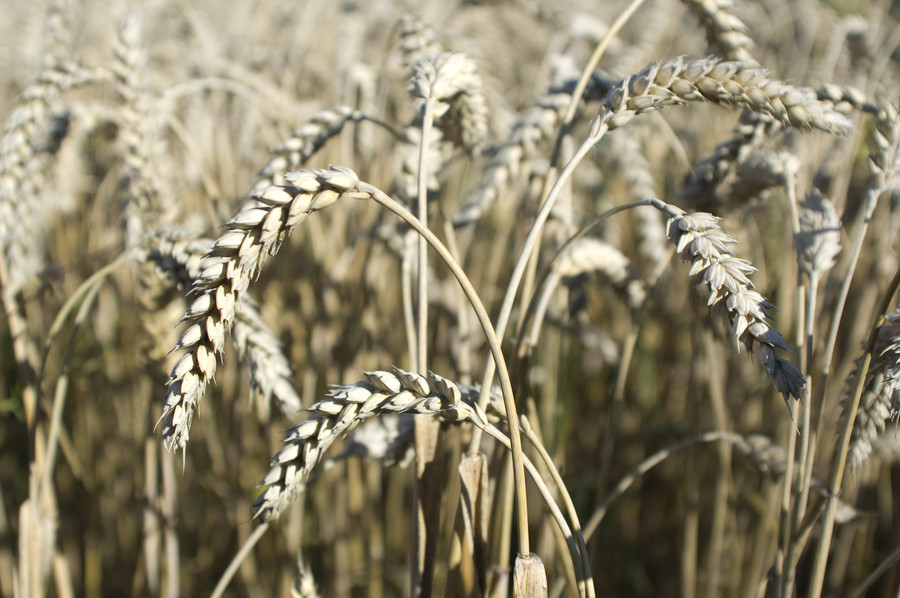

Some plants produce natural defences against herbivores.
Aromatic plants produce natural anti-herbivory defences. For instance, chili produces capsaicinoid compounds as a natural defence towards herbivory of the plant and may be unpleasant to wildlife interacting with the compound.
Plants producing anti-herbivory compounds, chili and safflower, were planted as deterrent crops to prevent elephant (Loxodonta africana) damage on neighbouring agricultural crops in a Botswanan study (Matsika et al. 2020). On average, plots bordered by chili plants produced larger yields of maize (10 100 % more), sorghum (633 % more), cowpeas (12.7 % more) and groundnut (18.9 % more). When plots were bordered by safflower, yield patterns were inconclusive. On average, plots bordered by safflower produced larger yields of maize (800 % more), but lower yields of sorghum (14.3 % less), cowpeas (21.9 % less), and groundnut (10.7 % less).
As an active ingredient, chili can be used on ropes around crop fields or as chili smoke briquettes, with the intention of deterring elephants from agricultural crops. In a Kenyan study (Graham and Ochieng 2008) chili fences and briquettes were both included in a set of interventions to deter African elephants from smallholder cultivation. Because the uptake of different interventions varied, the effects detected in the study cannot be isolated to the chili-based interventions, but the overall crop damage were reduced in treatment farms while increasing in control farms during the study (RR = 0.50). Another Kenyan study (Von Hagen 2018) also documented lower amounts of elephant damage to maize, lentils, and cow peas in fields protected by chili-fences (-41 % lower) and chili and metal strip fences (-46 %) compared to damage in unprotected fields.
